
1,2-Dimethoxybenzene CAS 91-16-7
Premium 1,2-Dimethoxybenzene (Veratrole) by Aure Chemical
1,2-Dimethoxybenzene, commonly known as Veratrole, is an aromatic ether with two methoxy groups on adjacent positions of the benzene ring. Also called catechol dimethyl ether, it is used as a building block in organic synthesis and the preparation of selected fine-chemical intermediates. Aure Chemical supports China sourcing, specification review, quality documentation and export coordination for industrial customers.
Basic Information of 1,2-Dimethoxybenzene
Veratrole CAS 91-16-7 is a low-melting material whose physical form depends on temperature. It may be present as a clear liquid, crystals or partially solidified material near ambient conditions. The reference analysis below includes a phase-transition test, which is relevant when planning packaging, sampling and unloading.
| CAS No.: | 91-16-7 |
|---|---|
| EC No.: | 202-045-3 |
| Molecular Formula: | C₈H₁₀O₂ |
| Molecular Weight: | 138.16 g/mol |
| Appearance: | Colorless, clear liquid or off-white crystals, depending on temperature |
| Melting / Crystallisation Point: | 17–22 °C — reported specification; reference result shown below |
| Boiling Point: | 207 °C at 760 mmHg (reference property) |
| Solubility: | Very low solubility in water; readily soluble in ethanol and ether; soluble in acetone. |
| Purity: | ≥99.0% — reported specification; reference result shown below |
| Chemical Structure: | 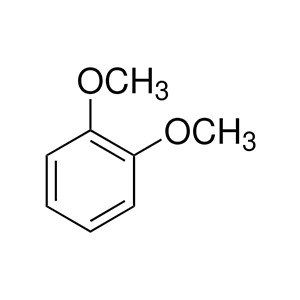 |
Confirm the expected physical form and suitable handling arrangements with the supplier for the transport route and season. The boiling point and solubility above are general reference properties; the quality table records the reported product specification and reference results.
Reference Quality Analysis
The following reference quality data are based on the supplied COA and confirmed product information for Veratrole CAS 91-16-7. The specification and reference result are shown separately for each test.
| Test Item | Reported Specification | Reference Result |
|---|---|---|
| Appearance | Colorless, clear liquid or off-white crystals | Colorless, clear liquid |
| Purity | ≥99.0% | 99.72% |
| Moisture | ≤0.5% | 0.08% |
| Melting / Crystallisation Point | 17–22 °C | 20.5 °C |
| Total Impurities | ≤1.0% | 0.28% |
Analytical context: The reference COA does not identify the test methods or calculation bases for purity, moisture and total impurities. It also does not define which impurities are included in the total-impurity result. These details should be agreed when comparing specifications or qualifying a synthesis process.
Phase-transition terminology: The source labels this test as melting point in Chinese and crystallisation point in English. Both labels are retained above; the test procedure is not stated. The result indicates that temperature-dependent changes in physical form should be considered during storage and transfer.
These values describe one reference batch and do not guarantee future batch results. Confirm the agreed product specification, required methods and batch-specific COA for the material proposed for supply.
Versatile Applications of 1,2-Dimethoxybenzene
Veratrole is primarily evaluated as an aromatic synthesis intermediate. Its two methoxy substituents provide a defined structural starting point for further ring functionalization.
Fine-Chemical Synthesis: A building block for preparing substituted dimethoxybenzene derivatives. Published routes include conversion to veratraldehyde, illustrating its role in the preparation of more functionalized aromatic intermediates.
Pharmaceutical Intermediate Routes: May be used in selected synthesis routes requiring a dimethoxy-substituted aromatic building block. Process suitability depends on the target structure, impurity profile and downstream purification requirements.
Fragrance Intermediate Preparation: Relevant to the manufacture of selected aromatic derivatives used in fragrance chemistry. Suitability for a finished formulation or regulated end use requires a separate grade and documentation review.
Research & Development: A substrate for route screening and studies of substituted aromatic ether chemistry. Purity, moisture, phase behavior and method-specific impurity data are useful purchasing considerations for process development.
Aure Chemical: Sourcing and Documentation Support
Aure Chemical is a chemical sourcing and export supplier. We coordinate with suppliers to review the proposed product grade, available technical information, packaging and shipment requirements for 1,2-Dimethoxybenzene.
Specification Review: Review purity, moisture, phase-transition criteria and impurity requirements against the intended process and agreed purchasing specification.
Quality Documentation: Coordinate batch-specific COA, current product SDS and available technical information for the material proposed for supply. Additional test requirements are subject to supplier confirmation.
Packaging and Supplier Coordination: Discuss container format, order quantity and handling arrangements with attention to the product’s temperature-dependent physical state.
International Export Logistics: Review shipment feasibility, documentation and destination requirements with the supplier and logistics providers for the specific order.
For a quotation, provide the required quantity, target specification, destination, preferred packaging and required documents. If your process depends on a specific analytical method or impurity limit, include these requirements in the inquiry.
Safety, Handling & Documentation
The following reference hazard profile is based on a published EU SDS for CAS 91-16-7. Classification, labels and handling requirements for the supplied material must follow its current product SDS and the applicable jurisdiction.
Reference GHS Classification: Oral acute toxicity, Category 4.
Signal Word: Warning.
Hazard Statement: H302: Harmful if swallowed.

Use suitable ventilation and protective equipment selected according to the SDS and workplace assessment. Prevent skin and eye exposure, follow appropriate hygiene procedures to reduce accidental ingestion, and contain spills to protect drains.
Keep containers closed in a cool, shaded storage area as directed by the current SDS. Confirm handling arrangements for the actual physical form. Transport classification, packaging, labels and disposal requirements should be checked using the current product SDS and shipment documents.
Packaging
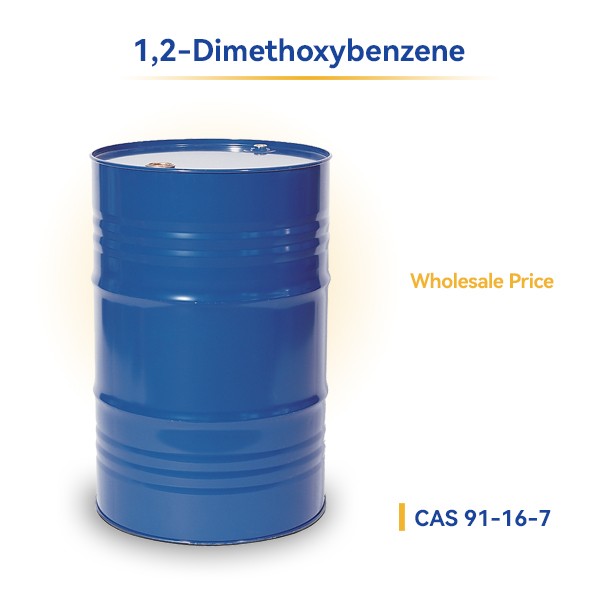
200 L steel drum
Final packaging, capacity and net weight are confirmed in the quotation and order.