
Reference GHS Classification: Flammable liquid, Category 1; acute dermal and inhalation toxicity, Category 4; skin irritation, Category 2; eye irritation, Category 2; specific target organ toxicity from a single exposure, Categories 2 (liver) and 3 (central nervous system); specific target organ toxicity from repeated exposure, Category 2 (liver).
Signal Word: Danger
Reference Hazard Codes and Summary: H224 — extreme flammability of the liquid and vapor; H312 + H332 — harmful through skin exposure or inhalation; H315 — skin irritation; H319 — serious eye irritation; H336 — possible drowsiness or dizziness; H371 — possible liver damage after a single exposure; H373 — possible liver damage following prolonged or repeated exposure.
UN Number: UN 2356
Proper Shipping Name: 2-CHLOROPROPANE
Hazard Class: 3 (Flammable liquids)
Packing Group: I
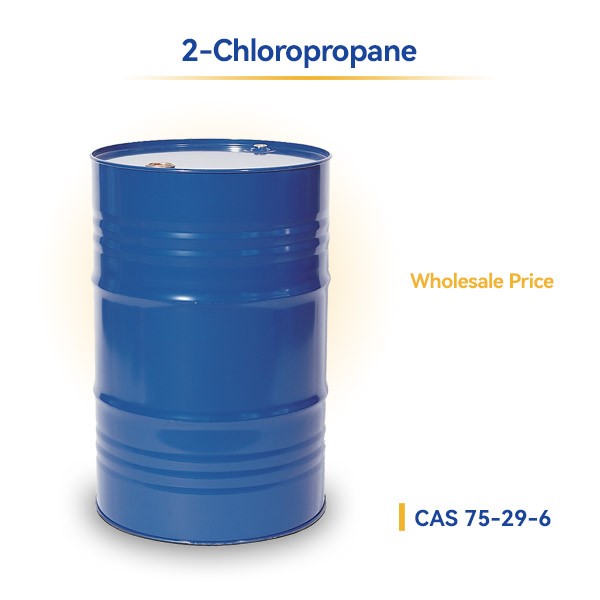
2-Chloropropane CAS 75-29-6
Aure Chemical: Reliable Supplier of High-Purity 2-Chloropropane (CAS 75-29-6)
Aure Chemical supplies 2-Chloropropane, also known as isopropyl chloride, for organic synthesis, agrochemical intermediates and selected industrial solvent applications. This volatile secondary alkyl chloride has the molecular formula C₃H₇Cl.
The supplied specification and reference COA require a purity of at least 99.0%. The reference analysis reports 99.70% by GC and a moisture result of 480 ppm by Karl Fischer. Buyers should confirm the agreed specification, current batch documentation and shipment requirements for the intended use.
Basic Information of 2-Chloropropane
Physical-property values below are references from the supplied technical data sheet. They are separate from the batch tests in the COA table. Use the current supplied-grade SDS for hazard classification and handling decisions.
| CAS No. | 75-29-6 |
|---|---|
| EC No. | 200-858-8 |
| Synonym | Isopropyl chloride |
| Linear Formula | CH₃–CHCl–CH₃ |
| Molecular Formula | C₃H₇Cl |
| Molecular Weight | 78.54 g/mol |
| Appearance | Colorless, clear liquid |
| Reported Purity Specification | ≥99.0% (GC) |
| Melting Point | −117 °C (TDS reference value) |
| Boiling Point | 36.3 °C (TDS reference value) |
| Relative Density | 0.86 (water = 1; temperature not specified in the TDS) |
| Solubility | Slightly soluble in water; miscible with alcohol and ether, as listed in the TDS |
| Flash Point | −36 °C (TDS reference value; test method not stated) |
| Transport Reference | UN 2356; 2-CHLOROPROPANE; Class 3; Packing Group I |
| Chemical Structure | 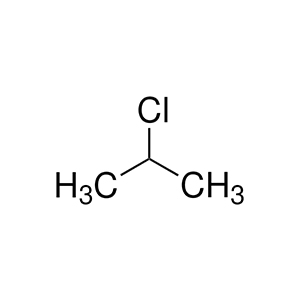 |
Reference Quality Analysis
These specifications, methods and results are reproduced from the reference COA. They describe a reference batch; obtain a current batch COA and confirm release or retest status for the material ordered.
| Test Item | Reported Specification | Reference Result |
|---|---|---|
| Appearance (visual test) | Colorless clear liquid | Pass |
| Purity (GC) | ≥99.0% | 99.70% |
| Moisture (Karl Fischer) | ≤500 ppm | 480 ppm |
The TDS lists moisture ≤0.05%, while the COA expresses its moisture limit and result in ppm. Confirm the reporting basis in the agreed specification. The TDS also gives a pH range of 6.0–8.0 without sample-preparation or measurement conditions; confirm those conditions before using that entry as an acceptance criterion. No pH result is provided in the COA.
Related organic impurities, nonvolatile residue and other process-specific tests are not included in the reference COA. Provide any additional limits and documentation requirements when requesting material for sensitive synthesis applications.
Primary Applications of 2-Chloropropane (Isopropyl Chloride)
Organic Synthesis Intermediate:
Used as a secondary alkyl chloride building block in selected organic synthesis routes. Suitability depends on the target transformation, reagent compatibility and impurity requirements.
Agrochemical Intermediates:
The supplied TDS identifies pesticide-intermediate applications. Confirm the assay, moisture limit and related impurities required by the specific crop-protection synthesis process.
Industrial Solvent:
Listed in the TDS for selected solvent uses. Evaluate solvency, material compatibility and recovery requirements together with controls appropriate to its volatility and flammability.
Specialty Synthesis and Process Development:
Can support evaluation of routes that specifically require isopropyl chloride. For pharmaceutical-intermediate or other sensitive processes, agree the additional impurity and documentation requirements before material approval.
Why Choose Aure Chemical for Your 2-Chloropropane Supply?
Aure Chemical supports sourcing and export coordination for the agreed 2-chloropropane grade, quantity and destination.
Specification Review: Discuss purity, moisture, appearance, related impurities and the analytical methods required by your process.
Documentation Support: TDS and reference COA information is available for review. Request a current batch COA and the supplied-grade SDS for order and shipment confirmation.
Supply Planning: Availability, lead time, order quantity and delivery terms are confirmed during quotation for the requested specification.
Packaging and Logistics Coordination: Container type, net fill, closures, labeling and shipment feasibility can be reviewed according to product classification and destination requirements.
Packaging and Storage
Confirm the container format, net weight and closure requirements for the actual order. Packaging must be suitable for the confirmed UN 2356, Class 3, Packing Group I transport requirements and the intended shipment route.
Store in tightly closed containers in a cool, dry, ventilated area, with controls for ignition and static-discharge sources. Keep separate from incompatible materials, including the strong oxidizing agents, strong bases and acids identified in the supplied documents. Use protective equipment and ventilation specified by the current supplied-grade SDS.
Confirm the applicable batch retest or expiry date before shipment. The supplied TDS does not state a general shelf life or a fixed packing size.
Hazards Classification
The following is a published EU CLP reference profile for 2-chloropropane, CAS 75-29-6. SDS profiles may differ by issuer and jurisdiction. Final classification, labels and handling requirements must follow the current SDS for the actual supplied grade.
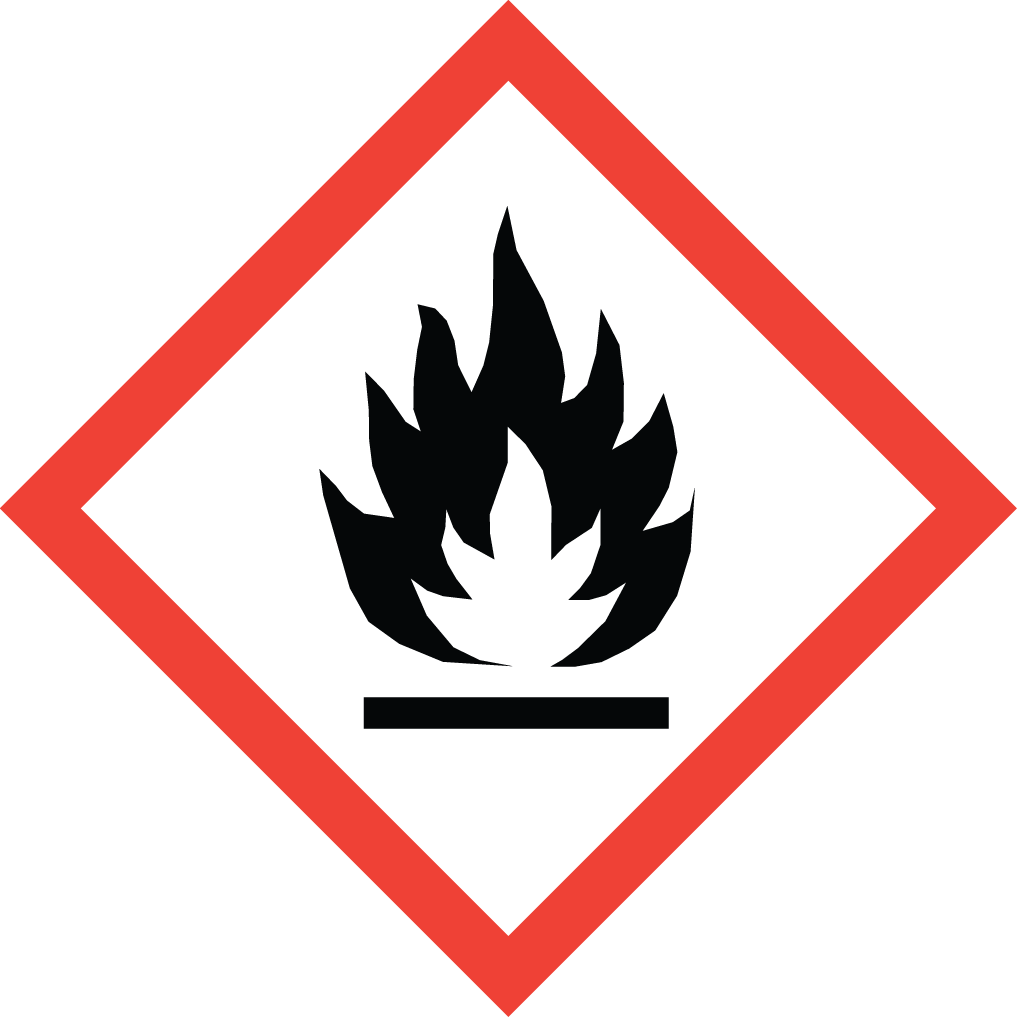


Prevent vapor exposure and release to drains. Use the supplied-grade SDS and site procedures for exposure response, spill control, firefighting and disposal. Confirm transport documents and carrier acceptance for the actual package and route.
Related Articles
Is 2-Chloropropane Hazardous? Flammability, Toxicity & Environmental Impact
How to Detect Impurities in 2-Chloropropane: Testing Methods & QC Standards
Inquiry Information
To request a 2-chloropropane quotation, provide quantity, target specification, intended application, packaging requirements, destination, preferred trade term and required documents. Include any additional impurity limits and test conditions needed for process approval.
Packaging
200 L steel drum
Final packaging, capacity and net weight are confirmed in the quotation and order.