
Reference GHS Classification: Flammable liquid: Category 2; acute toxicity by ingestion, skin contact and inhalation: Category 4; eye irritation: Category 2A.
Signal Word: Danger
Hazard Statements: H225: Highly flammable liquid and vapor. H302 + H312 + H332: Harmful if swallowed, in contact with skin or if inhaled. H319: Causes serious eye irritation.
UN Number: UN 1648
Proper Shipping Name: ACETONITRILE
Hazard Class: 3 (Flammable liquids)
Packing Group: II
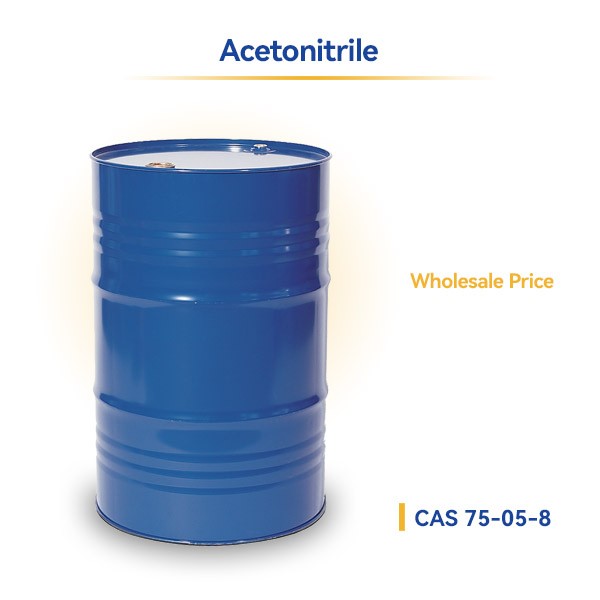
Acetonitrile CAS 75-05-8
Aure Chemical: Your Trusted Source for High-Purity Acetonitrile (CAS 75-05-8)
Aure Chemical supplies Acetonitrile (ACN), also known as methyl cyanide or ethanenitrile, a polar aprotic solvent used in organic synthesis and selected analytical processes. Its water miscibility and low viscosity are useful in solvent systems for synthesis, separation and sample preparation.
This page focuses on anhydrous acetonitrile with a reported purity specification of ≥99.9% by GC and a water limit of ≤0.003% (w/w). Grade selection should match the intended process, analytical method and impurity requirements.
Basic Information of Acetonitrile
General physical properties are reference information. The quality specification and reported results for the anhydrous grade are listed separately in the reference COA table below.
| CAS No. | 75-05-8 |
|---|---|
| EC No. | 200-835-2 |
| Linear Formula | CH₃CN |
| Molecular Weight | 41.05 g/mol |
| Grade | Anhydrous grade |
| Appearance | Colorless, clear liquid (general reference) |
| Odor | Ether-like (general reference) |
| Purity Specification | ≥99.9% (GC) |
| Water Specification | ≤0.003% (w/w) |
| Melting Point | Approximately −45 °C (reference value) |
| Boiling Point | 81–82 °C (reference range) |
| Density | 0.782 g/mL at 20 °C (reported reference COA result) |
| Solubility | Completely miscible with water |
| Flash Point | 2 °C, closed cup (reference value; consult the supplied-grade SDS) |
| Nature | Hygroscopic; highly flammable liquid and vapor |
| Transport Reference | UN 1648; ACETONITRILE; Class 3; Packing Group II |
| Chemical Structure | 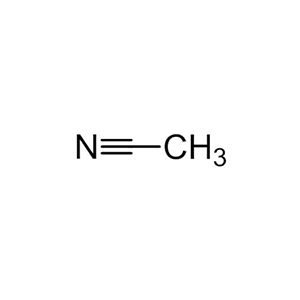 |
Reference Quality Analysis — Anhydrous Acetonitrile
The following reference COA lists the reported specification and results for anhydrous acetonitrile. Confirm the agreed specification and obtain the batch COA for the material ordered.
| Test Item | Reported Specification | Reference Result |
|---|---|---|
| Purity (GC) | ≥99.9% | 99.97% |
| Water | ≤0.003% (w/w) | 0.0017% (w/w) |
| Colour (Hazen) | ≤10 Hazen | 5 Hazen |
| Residue after evaporation | ≤2.0 mg/kg | 0.4 mg/kg |
| Density (20 °C) | 0.780–0.784 g/mL | 0.782 g/mL |
| Acidity (titratable) | ≤0.0005 mmol/g | 0.0003 mmol/g |
| Alkalinity (titratable) | ≤0.0005 mmol/g | <0.0005 mmol/g |
GC is the reported purity method. Water is expressed as mass percent; its test method is not identified in the reference COA. Titratable acidity and alkalinity are reported in mmol/g and are not pH measurements.
Anhydrous grade denotes the specified low-water material. For HPLC, LC-MS, spectroscopy or oligonucleotide synthesis, request the relevant grade specification and suitability data. The seven tests above do not establish those application-specific performance claims.
Primary Applications of Acetonitrile
Acetonitrile is used in the following applications. Select the appropriate grade and evaluate the material against the requirements of the specific method or process.
High-Performance Liquid Chromatography (HPLC):
A common organic component of reversed-phase HPLC mobile phases, often mixed with water. Analytical use requires suitable UV absorbance and chromatographic background performance; confirm the corresponding chromatography grade before ordering.
Pharmaceutical and Intermediate Synthesis:
Used as a process solvent in selected synthesis and purification routes for pharmaceutical intermediates. Material approval depends on the process specification, impurity controls and applicable residual-solvent requirements.
Oligonucleotide Synthesis:
Low-water acetonitrile is used in oligonucleotide synthesis workflows. Confirm the required synthesis grade, water limit and other process-specific acceptance criteria; water content alone does not establish suitability.
Extraction and Sample Preparation:
Used for extraction, dilution and dissolution of selected compounds before analysis. Solvent grade, matrix compatibility and background impurities should be evaluated within the validated sample-preparation method.
Organic Synthesis:
Provides a polar aprotic reaction medium for selected organic transformations. Solvent choice depends on reagent compatibility, temperature, water sensitivity and downstream processing requirements.
UV–Visible Spectroscopy:
Appropriately qualified grades can be used as spectroscopic solvents. Confirm optical background at the working wavelength and use the grade specified by the analytical method.
Why Choose Aure Chemical for Your Acetonitrile Supply?
Aure Chemical supports industrial and laboratory buyers with specification review, sourcing and export coordination for acetonitrile requirements.
Grade and Specification Review: Discuss target purity, maximum water content, evaporation residue, acidity, alkalinity and any additional application-specific tests before confirming the product grade.
SDS and COA Support: Request the available SDS and batch COA for the confirmed grade. Additional documentation and test data can be reviewed according to buyer requirements and availability.
Packaging and Export Coordination: Packaging, labeling and shipment feasibility can be reviewed according to quantity, moisture-control needs, transport classification and destination requirements.
Procurement Support: Availability, lead time and delivery terms are confirmed for the requested grade and order quantity during quotation.
To request a quotation, provide the required quantity, intended use, target grade, water limit, preferred packaging, destination and documentation requirements.
Hazards Classification
The following is an OSHA HCS reference profile for acetonitrile, CAS 75-05-8. SDS classifications may differ by issuer and jurisdiction. Confirm the actual hazard classification, labels and handling requirements against the current SDS for the supplied grade.
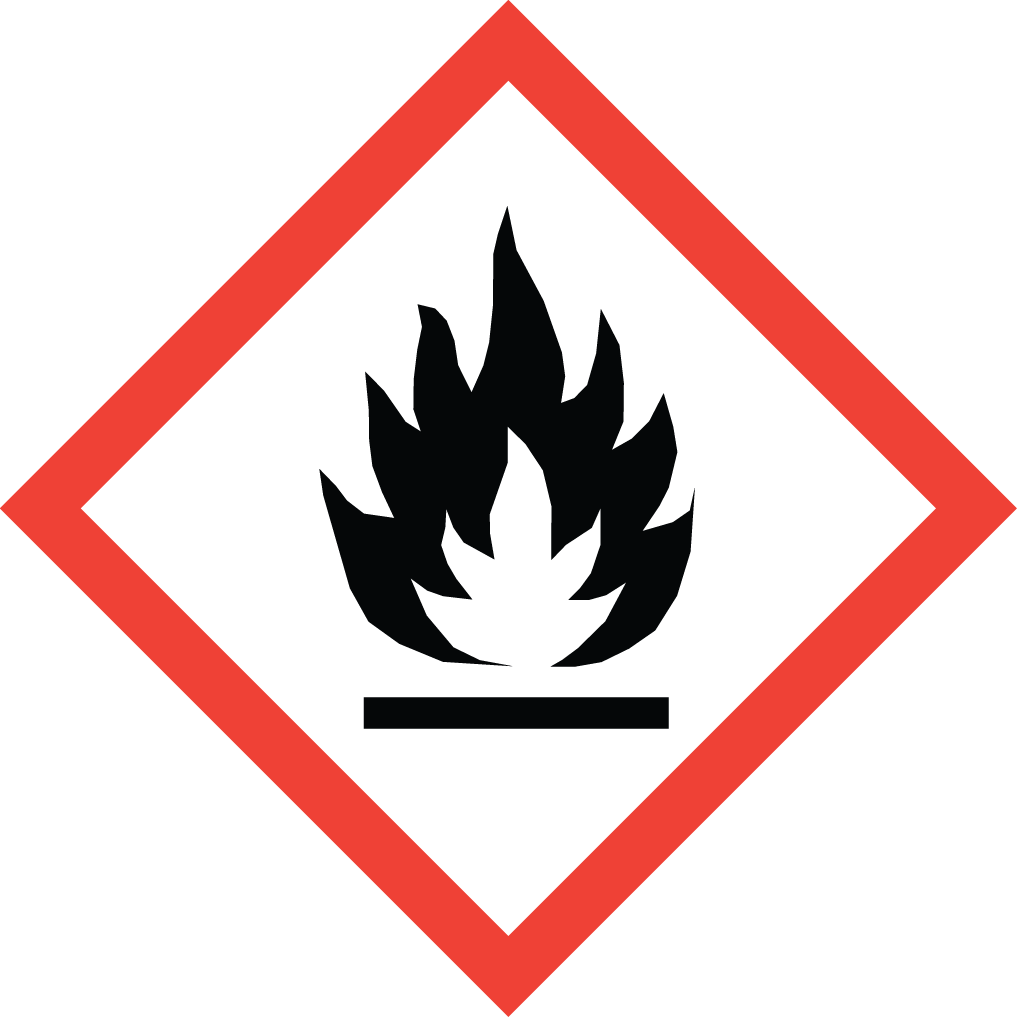

Handling and Storage: Control ignition and static-discharge sources, provide suitable ventilation and use protective equipment selected according to the supplied-grade SDS. Keep containers securely closed in a cool, ventilated storage area and protect the material from moisture. Review transfer procedures and container closure to maintain the agreed water specification after opening.
Transport information is for reference. Final classification, packaging and shipment documents must be confirmed for the actual material, transport mode and destination.
Packaging
200 L steel drum
Final packaging, capacity and net weight are confirmed in the quotation and order.
INQUIRY