

Monoethylamine vs Diethylamine vs Triethylamine: Differences & Applications
In the world of industrial chemistry, ethylamine derivatives are like the versatile tools in a mechanic's toolbox—each one designed for specific jobs but sharing a common foundation. Monoethylamine (MEA), diethylamine (DEA), and triethylamine (TEA) are three such compounds, all derived from ethylamine but with increasing ethyl groups that change their behavior and uses. Comparing them is crucial for industries like pharmaceuticals, agrochemicals, rubber manufacturing, and coatings, where choosing the wrong amine could mean inefficient reactions or safety issues. As demand grows for these chemicals in regulated supply chains, understanding their nuances can help optimize processes and ensure compliance.
Basic Chemical Overview
What Is Monoethylamine (MEA)?
 Monoethylamine, or MEA, is the simplest of the trio with the chemical formula C₂H₅NH₂ and CAS number 75-04-7. It's a primary amine, meaning it has two hydrogen atoms attached to the nitrogen, like a single-pronged fork ready to grab onto other molecules. Physically, it's often handled as an aqueous solution or a gas under pressure, with a strong ammonia-like odor that can clear a room.
What Is Diethylamine (DEA)?
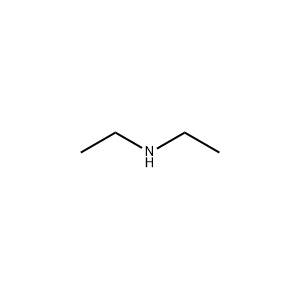 Diethylamine (DEA) steps up with the formula (C₂H₅)₂NH and CAS 109-89-7. As a secondary amine, it has one hydrogen on the nitrogen, making it like a two-pronged tool—more balanced but less aggressive in some reactions compared to MEA. It's a clear liquid at room temperature, easier to handle than MEA's gaseous form.
What Is Triethylamine (TEA)?
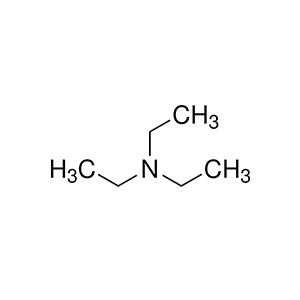 Triethylamine (TEA) completes the set with (C₂H₅)₃N and CAS 121-44-8. This tertiary amine has no hydrogens on the nitrogen, acting more like a rounded knob—great for pushing reactions along without getting stuck itself. It's also a liquid, with a fishy smell that's notorious in labs.
To visualize these differences, here's how their molecular structures compare:
Key Physical & Chemical Property Comparison
Here's a quick table summarizing the core differences—like comparing apples, oranges, and grapefruits in the fruit world:
| Property | Monoethylamine (MEA) | Diethylamine (DEA) | Triethylamine (TEA) |
| Molecular Formula | C₂H₅NH₂ | (C₂H₅)₂NH | (C₂H₅)₃N |
| Molecular Weight | 45.08 g/mol | 73.14 g/mol | 101.19 g/mol |
| Amine Type | Primary | Secondary | Tertiary |
| Boiling Point | 16.6°C | 55.5°C | 89.5°C |
| Solubility in Water | Highly soluble | Soluble | Moderately soluble |
| Basicity (pKa) | ~10.67 | ~10.98 | ~10.75 |
| Odor Intensity | Strong ammonia-like | Ammonia-like | Strong fishy |
| Reactivity | High (forms salts easily) | Moderate | Low (acts as base/catalyst) |
These properties stem from the number of ethyl groups: more groups mean higher boiling points (like adding weights to a balloon) and reduced solubility, as the molecule becomes bulkier.
Structural Differences and Reactivity
The key lies in their amine classification: primary (MEA) has two hydrogens on nitrogen, secondary (DEA) one, and tertiary (TEA) none. This is like having a key with multiple teeth—MEA can form strong hydrogen bonds (think Velcro sticking tightly), while TEA can't, making it less "sticky" but great as a lubricant in reactions.
Nucleophilicity decreases from MEA to TEA due to steric hindrance (bulky groups crowding the nitrogen, like too many people at a door). MEA excels in alkylation (adding chains like extending a ladder), DEA in salt formation, and TEA as an acid scavenger or catalyst, speeding things up without getting consumed, similar to a referee in a game.
Industrial Applications Comparison
Monoethylamine Applications
MEA is a workhorse in pharmaceuticals for API intermediates, like building blocks in Lego sets for drugs treating cardiovascular issues or infections. In agrochemicals, it's used for herbicides and insecticides, acting as a precise "weed killer" component. Rubber accelerators and textile additives also rely on it for speeding up curing processes.
Diethylamine Applications
DEA shines in corrosion inhibitors, protecting metal like a rust-proof coat on a bike. It's key in pharma intermediates for antihistamines, and in rubber chemicals for enhancing elasticity. Gas treatment in oil refineries uses it to scrub impurities, much like a filter in your coffee maker.
Triethylamine Applications
TEA is the go-to base in organic synthesis, neutralizing acids like baking soda in vinegar. As an acid scavenger in polyurethane foams (think mattress cushioning), it ensures smooth reactions. It's also a catalyst for epoxy resins in coatings and produces quaternary ammonium salts for surfactants in cleaners.
Safety, Handling & Transportation
Safety is paramount—these amines are flammable and corrosive, like handling spicy chili oil.
| Aspect | MEA | DEA | TEA |
| UN Number | 1036 | 1154 | 1296 |
| Hazard Class | 2.1 (Flammable gas) | 3 (Flammable liquid) / 8 (Corrosive) | 3 (Flammable liquid) / 8 (Corrosive) |
| Flammability | Highly flammable | Flammable | Flammable |
| Corrosivity | Corrosive | Corrosive | Corrosive |
| Storage Recommendations | Cool, ventilated, away from ignition | Similar, segregated from acids | Similar, in grounded containers |
Ventilation is essential to avoid buildup, like airing out a stuffy room. PPE includes gloves, goggles, and respirators—treat them like hazardous kitchen chemicals. Regulatory bodies like REACH and OSHA mandate proper labeling.
Which Ethylamine Should You Choose?
Opt for MEA when you need high reactivity for direct bonding, like in pharma intermediates—it's the "eager beaver." DEA fits for balanced applications like inhibitors, where moderate strength prevents over-reaction. TEA is ideal for catalysis, acting as a "silent partner" in non-consumable roles. Consider cost (MEA cheapest), availability, and regs—TEA often faces stricter export controls.
Market Availability & Supply Considerations
Available in purities from 98%+ for industrial to 99.5%+ for pharma. Packaging: Drums (200L), IBC totes (1000L), or ISO tanks for bulk. Global supply is stable from Asia (China, India), but watch for volatility in raw materials like ethanol. Import/export needs UN compliance and certificates—REACH for EU, TSCA for US.
Summary: Key Differences at a Glance
Reactivity Ranking: MEA (high) > DEA (medium) > TEA (low, catalytic)
Application Focus: MEA for pharma/agro; DEA for inhibitors/rubber; TEA for bases/coatings
Handling Complexity: All need ventilation/PPE; MEA most volatile (gas handling)
Cost & Logistics: MEA cheapest/easiest to source; TEA pricier due to purity demands
In summary, these ethylamines are tailored tools for chemistry's toolkit—pick based on your project's needs for efficiency and safety.