
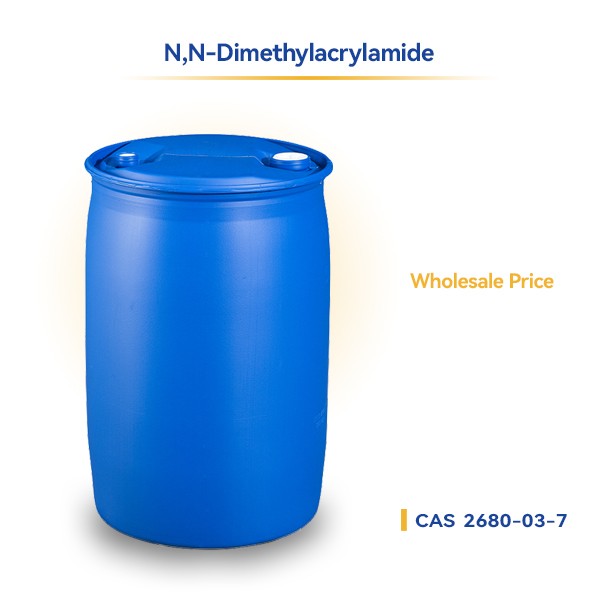
N,N-Dimethylacrylamide CAS 2680-03-7
N,N-Dimethylacrylamide (DMAA) for Hydrophilic Polymer Development
N,N-Dimethylacrylamide (DMAA), CAS 2680-03-7, is a nonionic monomer containing a polymerizable vinyl group and a tertiary amide group. It is used to prepare hydrophilic polymers and copolymers for hydrogel research, coatings, adhesives and other specialty applications. Aure Chemical supports China sourcing, specification review, quality documentation and international export coordination for customers evaluating DMAA.
For a broader comparison of monomer functions and material-selection questions, see our guide to functional monomers for waterborne and specialty polymers.
Basic Information of N,N-Dimethylacrylamide
The identifiers and physical properties below are reference information. The boiling point is reported at reduced pressure. Confirm the applicable grade specification and batch COA for purchasing and incoming quality review.
| CAS No. | 2680-03-7 |
|---|---|
| EC No. | 220-237-5 |
| Molecular Formula | C₅H₉NO |
| Linear Formula | CH₂=CHCON(CH₃)₂ |
| Molecular Weight | 99.13 g/mol |
| Appearance | Colorless to light yellow liquid (reference description) |
| Melting Point | -40 °C (published reference) |
| Boiling Point | 80–81 °C at 20 mmHg (reduced-pressure reference) |
| Density | 0.962 g/mL at 25 °C (published reference) |
| Water Solubility | Miscible with water (published reference) |
| Transport Reference | UN 2810, TOXIC LIQUID, ORGANIC, N.O.S. (N,N-Dimethylacrylamide); Class 6.1; Packing Group III. Confirm against the current product SDS and shipment documents. |
| Chemical Structure | 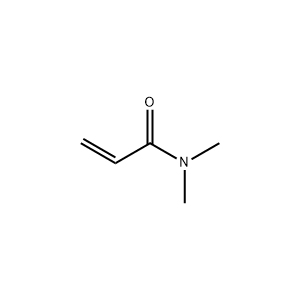 |
Specification and Batch COA Review
Agree the numerical acceptance limits and analytical methods for the offered grade before purchase. Request the batch-specific Certificate of Analysis (COA) and review the following items against your polymerization and end-use requirements.
| Quality Item | Confirm Before Purchase |
|---|---|
| Purity | Required assay limit, analytical method and reporting basis. |
| Water | Water-content limit, test method and batch result. |
| Inhibitor | Actual inhibitor identity, concentration and supporting batch documentation. |
| Appearance and color | Agreed appearance requirements and any specified color scale or limit. |
| Related impurities and residuals | Any process-specific impurity limits, residual-solvent requirements or additional tests needed for qualification. |
Available grades, sample quantities, packaging and lead time can be reviewed with the proposed supply. Specialized end-use requirements should be agreed separately from general monomer specifications.
Key Applications of DMAA
Hydrophilic polymers and copolymers: Used in free-radical polymerization to introduce hydrophilic amide functionality. Polymer composition, molecular weight and architecture determine the resulting material properties.
Hydrogel development: Evaluated as a nonionic hydrophilic monomer in network-forming systems. Gel formation, swelling and mechanical properties depend on the crosslinking strategy, composition and surrounding medium.
UV-curable coatings, inks and adhesives: Evaluated as a reactive diluent or comonomer in suitable formulations. Viscosity, cure conversion, adhesion, shrinkage and extractables require assessment in the actual formulation.
Water-treatment polymers: Used in selected polymer systems evaluated for aqueous treatment. Performance and residual-monomer requirements must be established for the finished polymer and treatment process.
Functional polymer research: Used in selected coating, sensor and responsive-material studies. Specific responses and performance depend on the complete polymer design and test conditions.
Monomer Selection for Functional Hydrogels
DMAA provides a nonionic hydrophilic option for network design. For other functional roles, compare Sodium p-Styrenesulfonate (NaSS / SSS), CAS 2695-37-6, for anionic sulfonate functionality, and N-tert-Butylacrylamide, CAS 107-58-4, for a more hydrophobic comonomer role. Select combinations using evidence relevant to your polymerization route and intended network.
Our guide to Ionic and Nonionic Monomers for Functional Hydrogel Development discusses these selection questions, including swelling, mechanical behavior, salt response, residual monomer and batch consistency.
A biomedical application requires qualification of the finished material, including residual monomer, extractables, biological evaluation and applicable end-use requirements. The monomer identity and general product specifications do not establish medical-grade status, biocompatibility or suitability for drug delivery, contact lenses or tissue engineering.
Stabilization and Storage Review
DMAA contains a polymerizable double bond. Review the stabilization and handling instructions for the offered grade before storage, transfer or formulation trials.
Inhibitor system: Confirm the actual inhibitor identity and concentration, together with the applicable storage and atmosphere requirements.
Temperature and storage duration: Follow the current SDS and supplier guidance for temperature, light protection, container compatibility and the maximum storage period or retest date.
Contamination control: Use compatible equipment and prevent contamination. Review incompatible materials and polymerization hazards in the supplied SDS when planning storage and transfer.
Aure Chemical: DMAA Sourcing and Documentation Support
Aure Chemical is a chemical trading and export supply company. We coordinate sourcing and documentation against the agreed grade, quantity and destination requirements.
Specification review: Discuss assay, water, inhibitor and process-specific impurity requirements with the available supply source.
Quality and safety documents: Coordinate the available TDS, batch COA, current SDS and grade-specific storage guidance for customer evaluation.
Supply and logistics: Confirm available quantities, packaging and lead time, then review dangerous-goods arrangements and destination documentation for the actual shipment.
Safety, Handling & Documentation
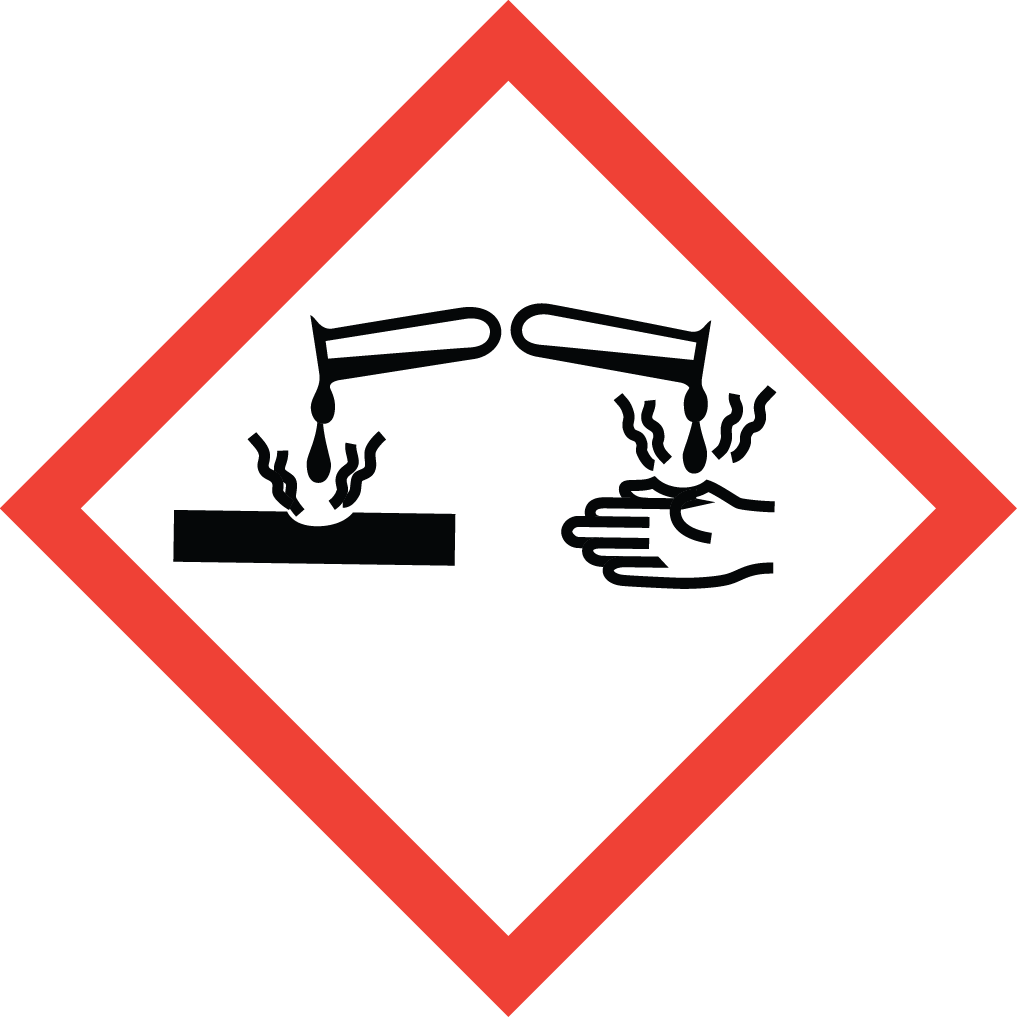
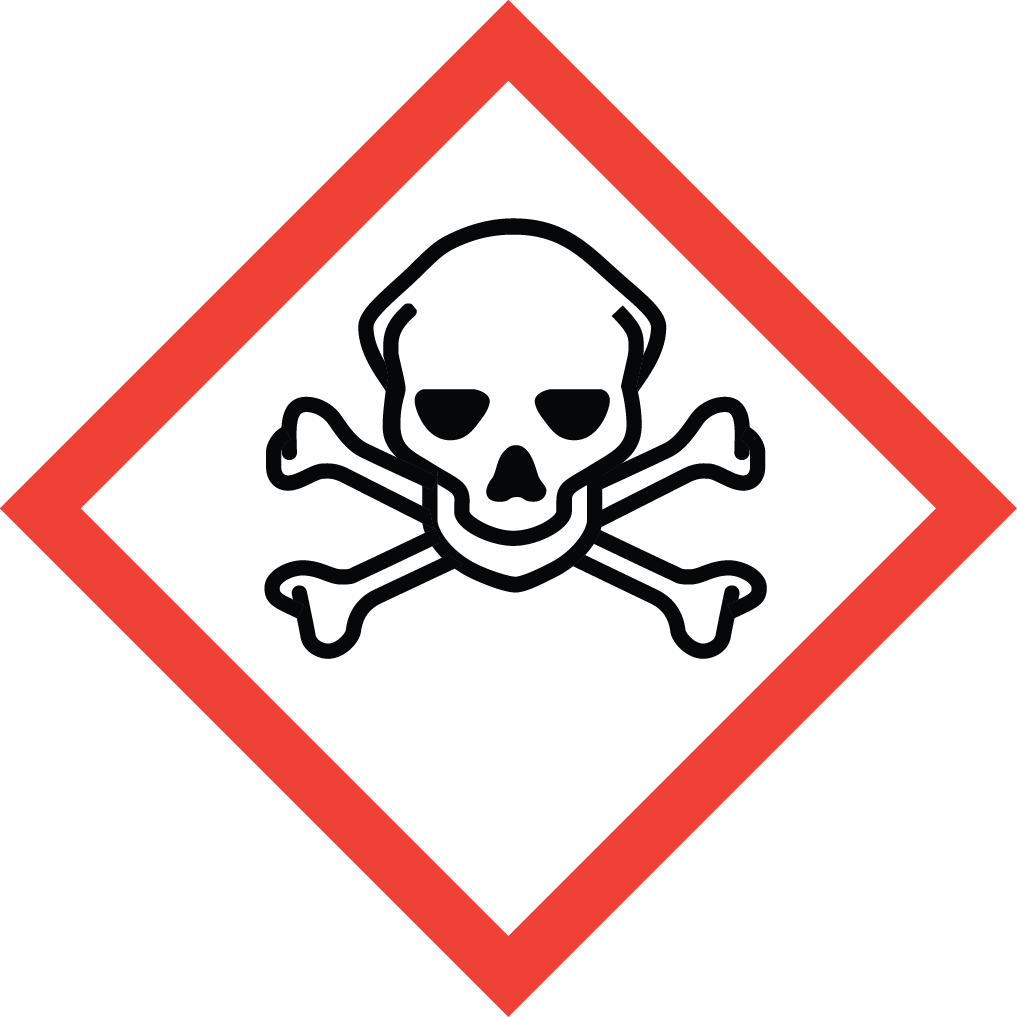
Published SDS references for DMAA include acute oral and dermal toxicity and serious eye damage. Some jurisdictions also classify the material as a combustible liquid. Hazard categories and labels can differ by product and jurisdiction; obtain the current SDS for the supplied grade and destination before handling or arranging transport.
Reference hazard statements: Published SDS include H301 (toxic if swallowed), H311 (toxic in contact with skin) and H318 (causes serious eye damage). H227 (combustible liquid) applies in SDS using that classification. Confirm the full applicable classification and label from the supplied SDS.
Handling: Prevent ingestion, skin contact and eye exposure. Follow the SDS and workplace assessment for ventilation, chemical-resistant protection, spill control and ignition-source management.
Transport reference: UN 2810, TOXIC LIQUID, ORGANIC, N.O.S. (N,N-Dimethylacrylamide); Class 6.1; Packing Group III. Confirm the shipping description, packaging and mode-specific requirements for the supplied product.
The pictograms below are reference examples; final labels must follow the current SDS for the supplied grade.
Request a DMAA Quotation or Document Review
Email sales@aurechem.com with N,N-Dimethylacrylamide CAS 2680-03-7, intended application, required quantity, target assay, water and inhibitor requirements, additional impurity limits, preferred packaging, destination and delivery term. For hydrogel development, include the target material function and any residual-monomer or extractables criteria relevant to your qualification work.
Aure Chemical can review available supply options and supporting documentation against these requirements. Confirm the applicable specification, batch COA, current SDS and storage guidance before ordering.
Packaging
200 L HDPE drum
Final packaging, capacity and net weight are confirmed in the quotation and order.