
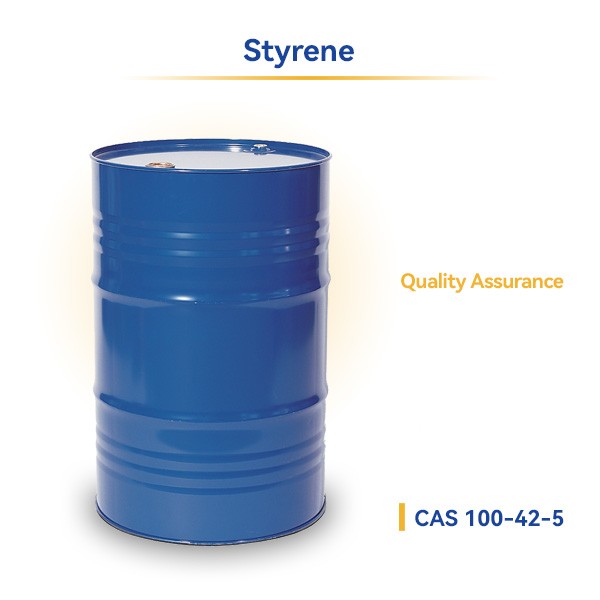
Styrene Monomer CAS 100-42-5
Stabilized Styrene Monomer for Polymer and Resin Production
Styrene Monomer, CAS 100-42-5, is also known as vinylbenzene or ethenylbenzene. It is a polymerizable aromatic monomer used in polystyrene, styrenic copolymers, latex binders and unsaturated polyester resin systems. Aure Chemical supports China sourcing, specification review, quality documentation and international export coordination for customers purchasing stabilized styrene.
Grade selection should account for the polymerization process, impurity limits and stabilization requirements. For a broader comparison of monomer functions, see our guide to functional monomers for waterborne and specialty polymers.
Basic Information of Styrene Monomer
Styrene contains a polymerizable vinyl group attached to a benzene ring. The identifiers and physical properties below are reference information; confirm the specification and batch COA for the offered grade before purchase.
| CAS No.: | 100-42-5 |
|---|---|
| EC No.: | 202-851-5 |
| Molecular Formula: | C₈H₈ |
| Molecular Weight: | 104.15 g/mol |
| Appearance: | Clear, colorless liquid (reference description) |
| Melting Point: | -31 °C (lit.) |
| Boiling Point: | 145-146 °C (lit.) |
| Density: | 0.906 g/mL at 20 °C (published reference) |
| Transport Reference: | UN 2055, STYRENE MONOMER, STABILIZED; Class 3; Packing Group III. Confirm against the current product SDS and shipment documents. |
| Chemical Structure: | 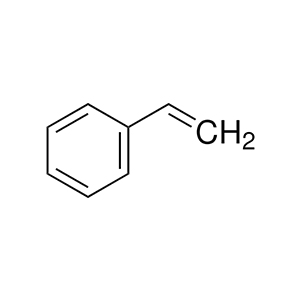 |
Specification and Batch COA Review
Agree the quality specification and analytical methods for the offered grade before purchase. Request the applicable batch-specific Certificate of Analysis (COA) and review the following items against your process requirements.
| Quality Item | Confirm Before Purchase |
|---|---|
| Purity | Required minimum purity, analytical method and reporting basis. |
| Water | Agreed water limit, test method and batch result. |
| Color | Required color limit and reporting scale, with the applicable batch result. |
| Inhibitor | Actual inhibitor identity, concentration, reporting basis and batch documentation. |
| Polymer content and other impurities | Any additional acceptance limits and tests required for the intended polymerization process. |
Packaging, available quantity, lead time and storage guidance should be confirmed with the proposed supply. A batch analysis supports incoming quality review; it does not establish remaining storage life independently of handling and storage conditions.
Stabilization and Storage Considerations
Unintended styrene polymerization releases heat and can generate dangerous pressure in confined equipment. Stabilization requires control of inhibitor condition, oxygen availability, temperature, contamination and storage time.
Inhibitor identity: Commercial styrene is commonly stabilized with 4-tert-butylcatechol (TBC). Confirm the actual inhibitor and concentration for the offered grade; this page does not specify a universal TBC range.
Oxygen management: TBC inhibition requires dissolved oxygen. Do not handle TBC-stabilized styrene under an oxygen-free atmosphere. Use the supplier's approved system for oxygen management and flammability control; this does not mean leaving containers open.
Temperature and storage duration: Obtain the applicable storage conditions and maximum storage period. Follow the supplier's monitoring requirements for temperature, inhibitor and polymer content during storage and transport.
Contamination control: Protect the product from heat, light and incompatible contaminants. Use compatible equipment and follow the current SDS and supplier procedures for storage and transfer.
Key Applications of Styrene Monomer
Styrene is a feedstock for polymer and resin manufacture. The finished material's properties depend on composition, polymerization conditions and downstream processing.
Polystyrene: A principal monomer for general-purpose polystyrene, high-impact polystyrene and expandable polystyrene used in molded articles, packaging and insulation.
ABS and SAN resins: A comonomer in acrylonitrile-butadiene-styrene and styrene-acrylonitrile materials for selected automotive, appliance, electronics and household applications.
Styrene-butadiene rubber: Used with butadiene to produce SBR for tires and other rubber products.
Styrene-butadiene latex: Used in selected latex binder systems for paper coating, adhesives and related applications.
Unsaturated polyester resins: Used as a reactive diluent and copolymerizable component in selected resin and composite systems, including glass-fiber-reinforced materials.
Styrene-acrylic latex: Used with suitable acrylic comonomers in binder systems for coatings and related formulations. Hardness, film formation and water resistance require assessment in the complete formulation.
Styrene in Emulsion Polymerization and Coatings
In styrene-acrylic binder design, styrene is commonly evaluated as a hard, hydrophobic monomer. Its proportion is balanced with softer comonomers to meet film-formation and flexibility targets. Methyl Methacrylate (MMA), CAS 80-62-6, is another hard-monomer option to evaluate against the intended resin properties.
Functional comonomers contribute additional chemistry: Acrylic Acid, CAS 79-10-7, supplies carboxylic-acid groups, while Sodium p-Styrenesulfonate (NaSS / SSS), CAS 2695-37-6, supplies sulfonate functionality. Monomer compatibility, incorporation and the resulting latex properties must be evaluated for the selected process.
See Sodium Styrenesulfonate for Emulsion Polymerization & Coatings for the application context and questions to review when combining backbone monomers with functional comonomers.
Aure Chemical: Styrene Sourcing and Export Support
Aure Chemical is a chemical trading and export supply company. We coordinate product sourcing and documentation against the agreed specification and destination requirements.
Specification review: Review purity, water, color, actual inhibitor requirements and any process-specific impurity limits with the available supply source.
Documentation: Coordinate the available TDS, batch COA, current SDS and grade-specific handling guidance for customer evaluation.
Supply coordination: Confirm quantity, packaging and lead time for the proposed order. Storage duration and stabilization requirements need to match the actual product and shipping plan.
Export logistics: Review dangerous-goods documentation, route suitability, temperature management and destination requirements before confirming shipment arrangements.
Safety, Handling & Documentation
Published SDS references for stabilized styrene identify flammability, inhalation toxicity, skin and eye irritation, aspiration hazard and chronic health hazards. Classification and labeling can vary by product and jurisdiction; use the current SDS for the supplied grade and destination to confirm the applicable requirements.
Reference health and environmental hazards: Published SDS include concerns about effects on the unborn child and damage to hearing organs through prolonged or repeated exposure. They also identify harmful long-term effects on aquatic life. Review the full hazard statements and exposure controls in the supplied SDS.
Handling: Avoid inhalation and skin or eye contact. Follow the SDS and workplace assessment for ventilation, protective equipment, grounding and bonding, and control of ignition sources and static electricity. Prevent environmental release.
Transport reference: UN 2055, STYRENE MONOMER, STABILIZED; Class 3; Packing Group III. Confirm shipping classification, packaging, stabilization and mode-specific requirements against the current product SDS and shipment documents.
The pictograms below are reference examples from published SDS; final labels must follow the SDS for the supplied product.
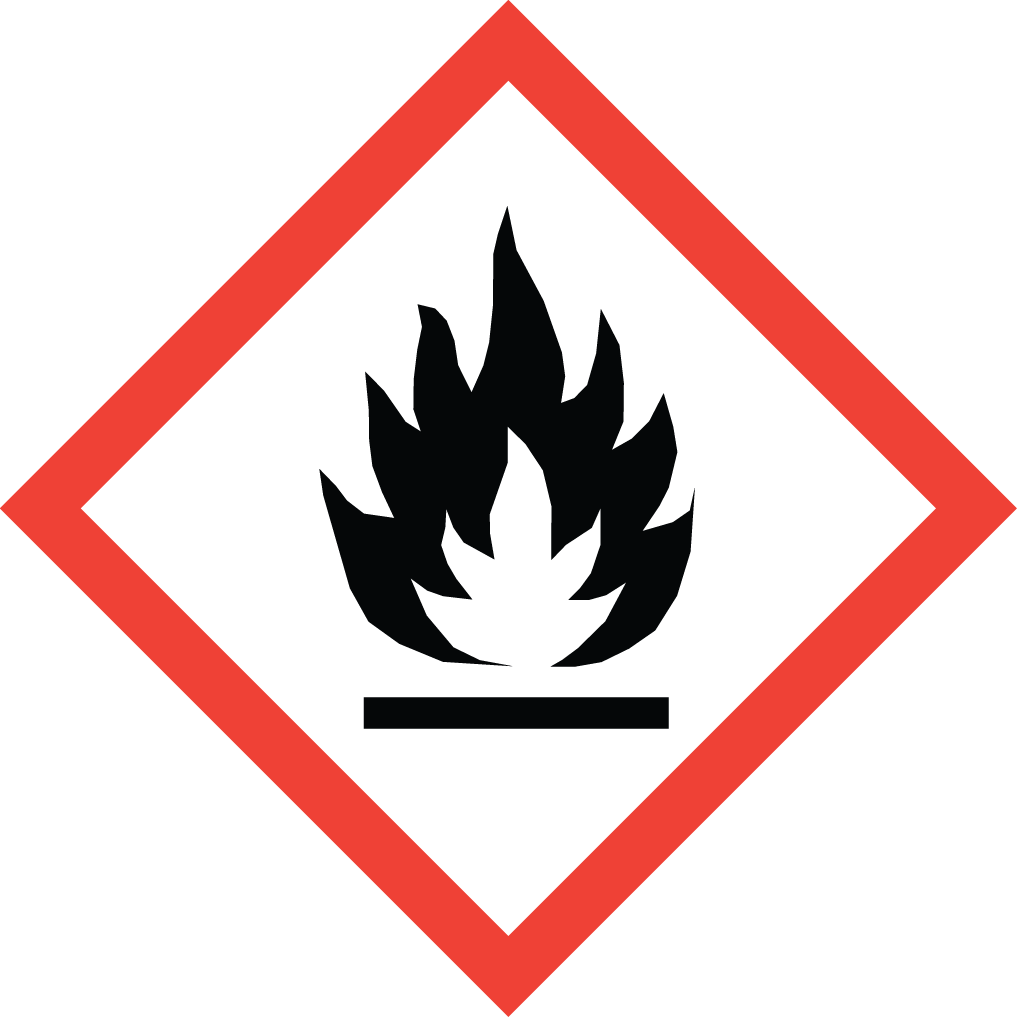


General handling reference: Plastics Europe Styrene Monomer: Safe Handling Guide. Obtain the product-specific SDS and supplier instructions for the actual supply.
Request a Styrene Monomer Quotation or Document Review
Email sales@aurechem.com with Styrene Monomer CAS 100-42-5, required quantity, intended application, target purity, water and color limits, and the required inhibitor identity and concentration. Include any polymer-content or additional impurity limits, preferred packaging, destination, delivery term and required schedule.
Aure Chemical can review available supply options and supporting documentation against these requirements. Confirm the applicable specification, batch COA, current SDS and storage guidance before ordering.
Packaging
200 L steel drum
Final packaging, capacity and net weight are confirmed in the quotation and order.